The Research and Transfer Center Future Mobility and Acoustics
The RTC FMA
- is a disciplinary and interdisciplinary academic institution that consolidates the research and transfer activities in the fields of mobility and acoustics within the Faculty of Aviation and Vehicle Systems, and communicates them both internally and externally. It develops solutions to questions—particularly in the subject areas listed below—and thus contributes to a sustainable future.
- serves as a disciplinary and interdisciplinary academic institution and research environment for research, development, and transfer projects, including technical services.
- develops and initiates research projects, promotes the design and implementation of research endeavors, and supports its members in securing external funding with the aim of achieving excellent scientific results.
- coordinates and supports committee work at scientific and commercial institutions, including acting as expert reviewers and participating in standardization committees.
- coordinates and supports internal academic exchange as well as collaboration and exchange with other national and international universities, research institutions, and non-university partners.
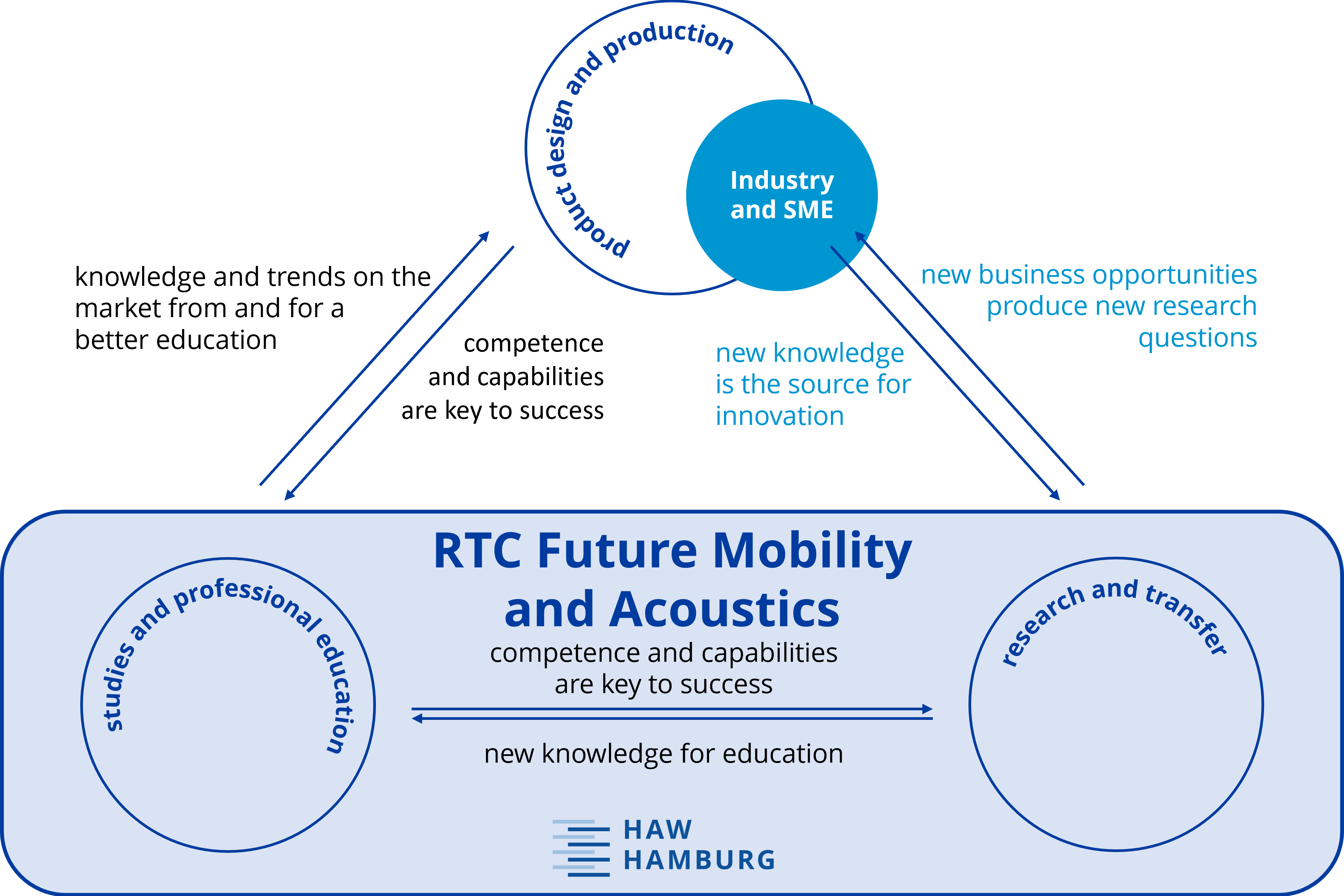
research and transfer
- aircraft cabin and cabin systems
- sustainable propulsion concepts and energy storage
- holistic view on mobility
- autonomous mobile air and land vehicle systems
- digital methods in design and development
- soundscapes in wind parks and urban environments
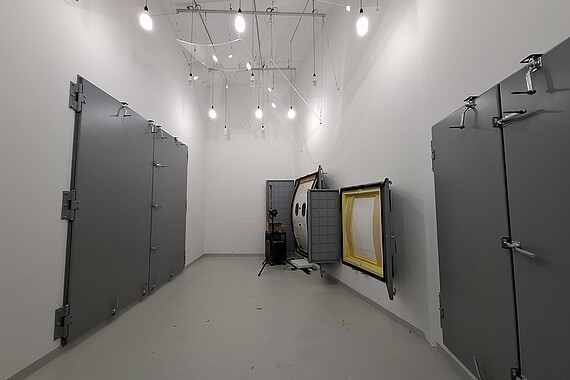
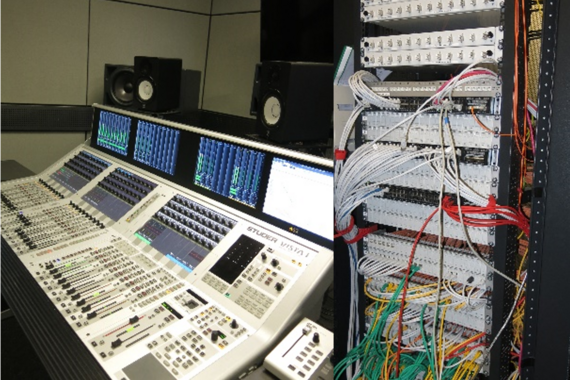
- technical and musical acoustics, noise reduction and public address, measurement, simulation and diagnosis methods, sound design, numerical acoustics, vibroacoustics, structural dynamics, active sound and vibration control, ultrasonic applications and technology
associated labs
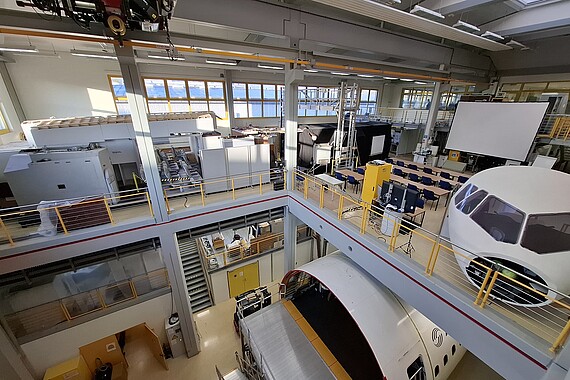
aircraft cabin and cabin systems lab, incl. acoustic climate chamber
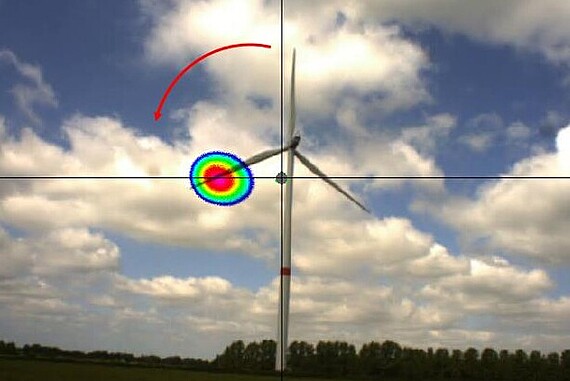
To tackle the new challenges of the mobility and energy transition — from improving efficiency in aviation with open-rotor and propeller propulsion, to battery-electric vehicles, and rotating components in energy systems such as heat pumps and wind turbines — sustainable solutions must be developed and tested. It’s an exciting task, and we are eager to tackle this challenge.
Prof. Benedikt Plaumann, Leiter des FTZ FMA