20 Years "HAW goes USA"
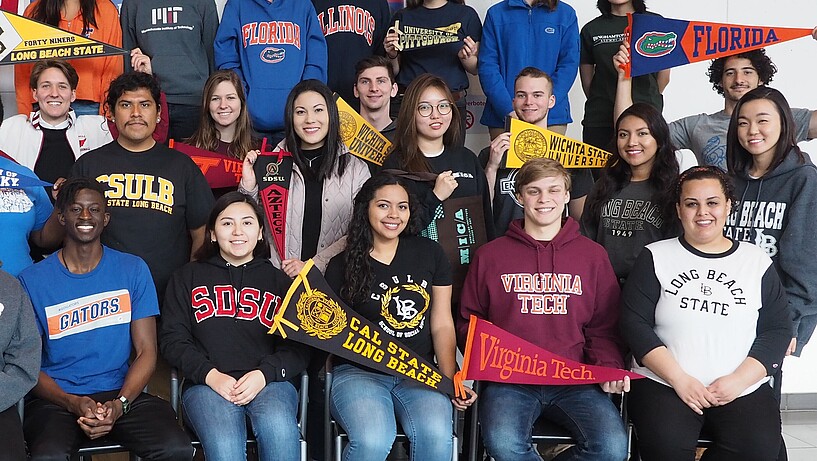
US exchange students
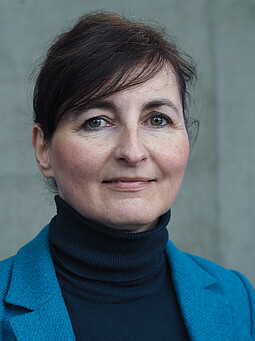
“HAW goes USA” was launched 20 years ago. How did it come about?
Twenty years ago, the “HAW goes USA” project marked the beginning of the strategic development of partnerships with US universities. In 2005, HAW Hamburg joined forces with six other German universities of applied sciences to form the UAS7 consortium with the aim of strategically developing academic exchange with the USA. At that time, universities of applied sciences in the US were relatively unknown or classified as “technical colleges” and were therefore often unattractive as university partners. US universities preferred to collaborate with German universities.
IN 2005 HAW Hamburg had only two US partners – California State University, Long Beach (CSULB) and Cooper Union. There was a long-standing “International Business Workshop” with CSULB, but there was no student exchange with either university. The International Office was tasked by the University Executive Board to head the US project, and so “HAW goes USA” was launched. I must admit that, like some others in the university, I was a little sceptical at the beginning, but we were very lucky with our first (new) partners. They were also keen to develop international relationships. We were in the right place at the right time.
Ingrid, can you tell us a little about your work for “HAW goes USA”? What are your responsibilities?
I would say my role is multifaceted. As the person responsible for the US strategy, I develop US cooperations, establish exchange agreements, calculate the “balances” for student exchanges, and bring together professors to establish faculty exchange. Since 2016, my focus has been on developing four strategic partnerships. I work with our US partners on new concepts to deepen our partnerships and develop multi-layered collaborations through new academic programmes, faculty exchange and credit transfer. To achieve this, I also apply for and coordinate DAAD ISAP grants for our faculties.
What is the main goal of „HAW goes USA“?
In 2005, the main goal was to develop partnerships with US universities in order to establish student exchange. We reached this goal relatively quickly. The first agreements were signed in 2006 and 2007. We now have twelve US partners and are also a member of the Global E3 network with 28 other US partners.
Once the US partnerships were established, a new goal was set in 2015 with the “HAW goes USA-2020” strategy. This time the aim was to make the collaborations more multifaceted through academic programmes and faculty exchange. We chose four partners establish four strategic partnerships. Together with the aforementioned California State University, Long Beach (CSULB), the University of Rhode Island (URI), Virginia Tech, and the Maryland Institute College of Art (MICA) were selected as strategic partners because there was already a lively student exchange with them.
And where are we today?
Success is best measured in numbers, so here are the most important key figures: To date, 447 US students have completed an exchange semester at HAW Hamburg. In the summer semester, US incoming students make up 20-25% of all exchange students, making them the largest nationality group. As part of the reciprocal exchange, 437 HAW Hamburg students have completed a tuition-free semester abroad in the US – equivalent to around US$ 4.3 million in tuition waivers.
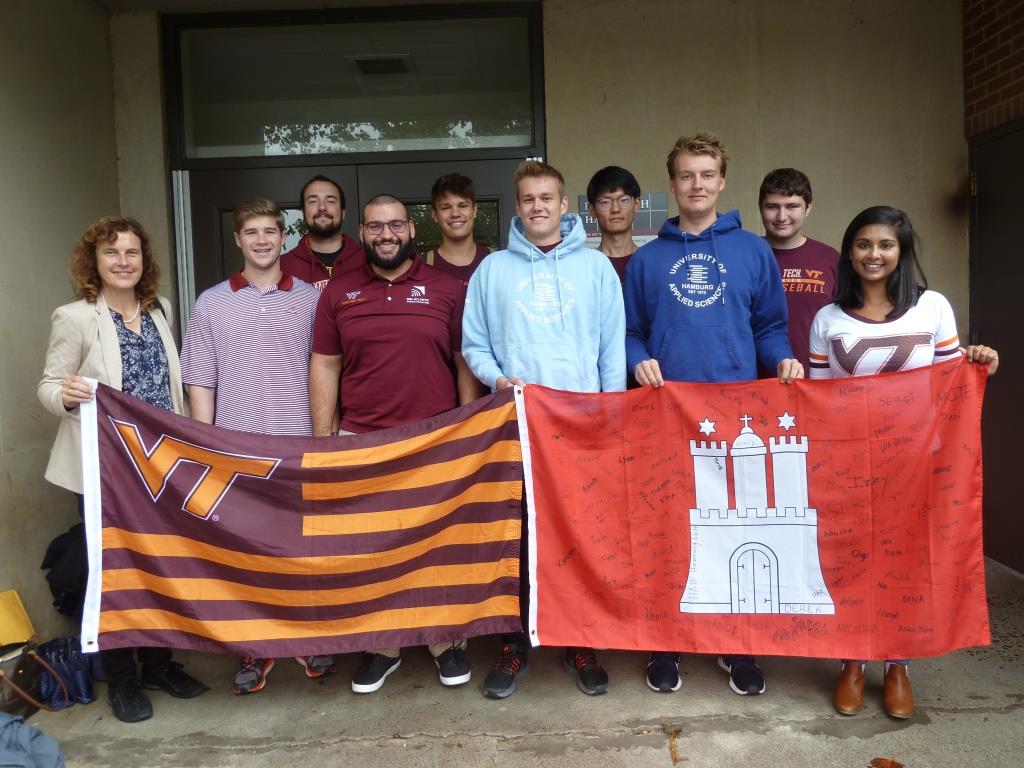
It was a step out of my comfort zone, a decisive moment on the path to finding my own identity. Through the “Avionics Systems” course, I realized that avionics would give my academic career a new direction.
A total of €855,000 in ISAP third-party funding was awarded by the German Academic Exchange Service (DAAD) to support the four strategic partnerships (see overview at the end of the interview). The ISAP funds enable full scholarships for student exchanges and grants for faculty exchanges. The latter is co-financed by the “HAW-goes-USA” budget and faculty budgets. Yearly workshops, summer schools, and guest lectures are now held with the strategic partners, with a network of 38 teachers on both sides of the Atlantic.
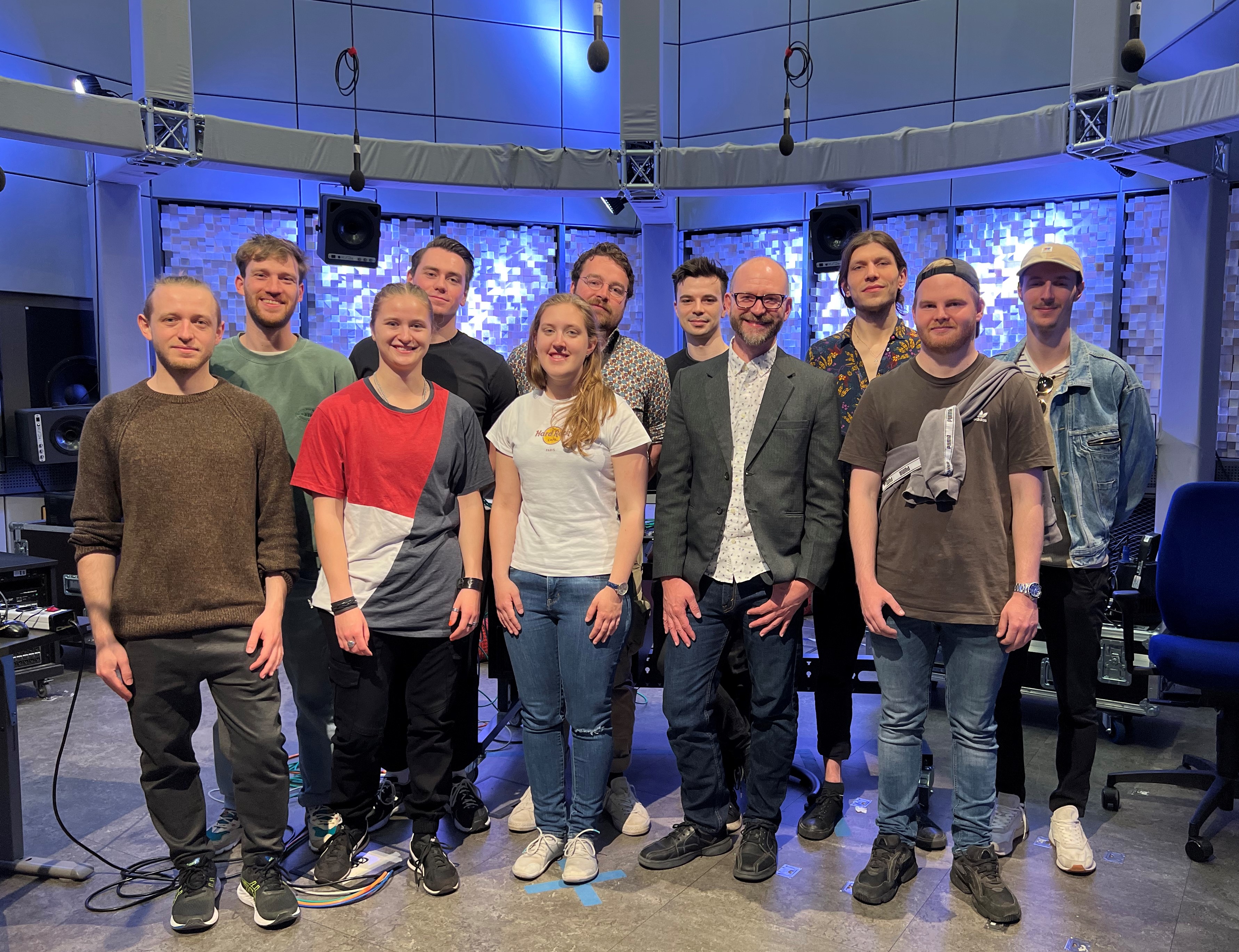
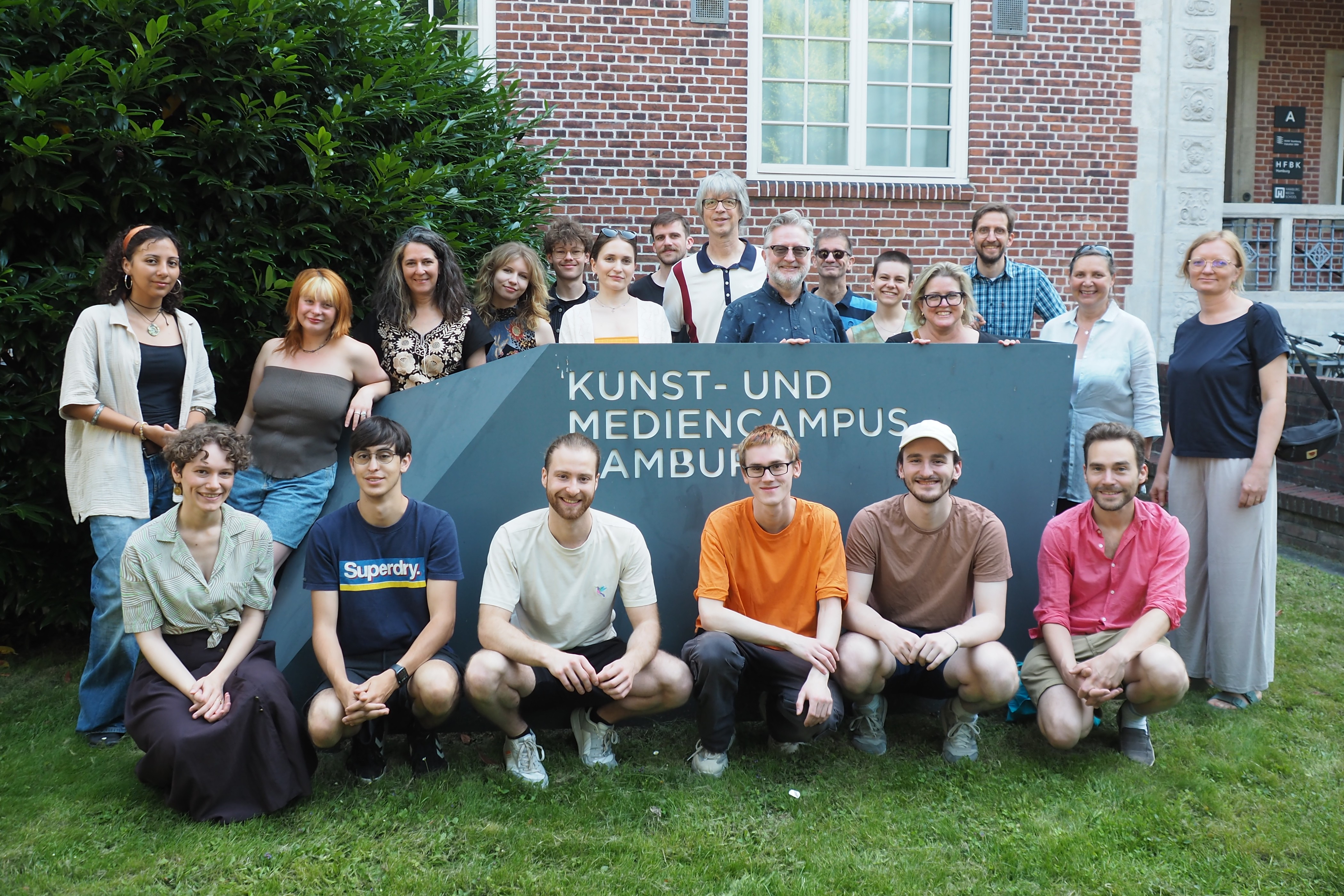
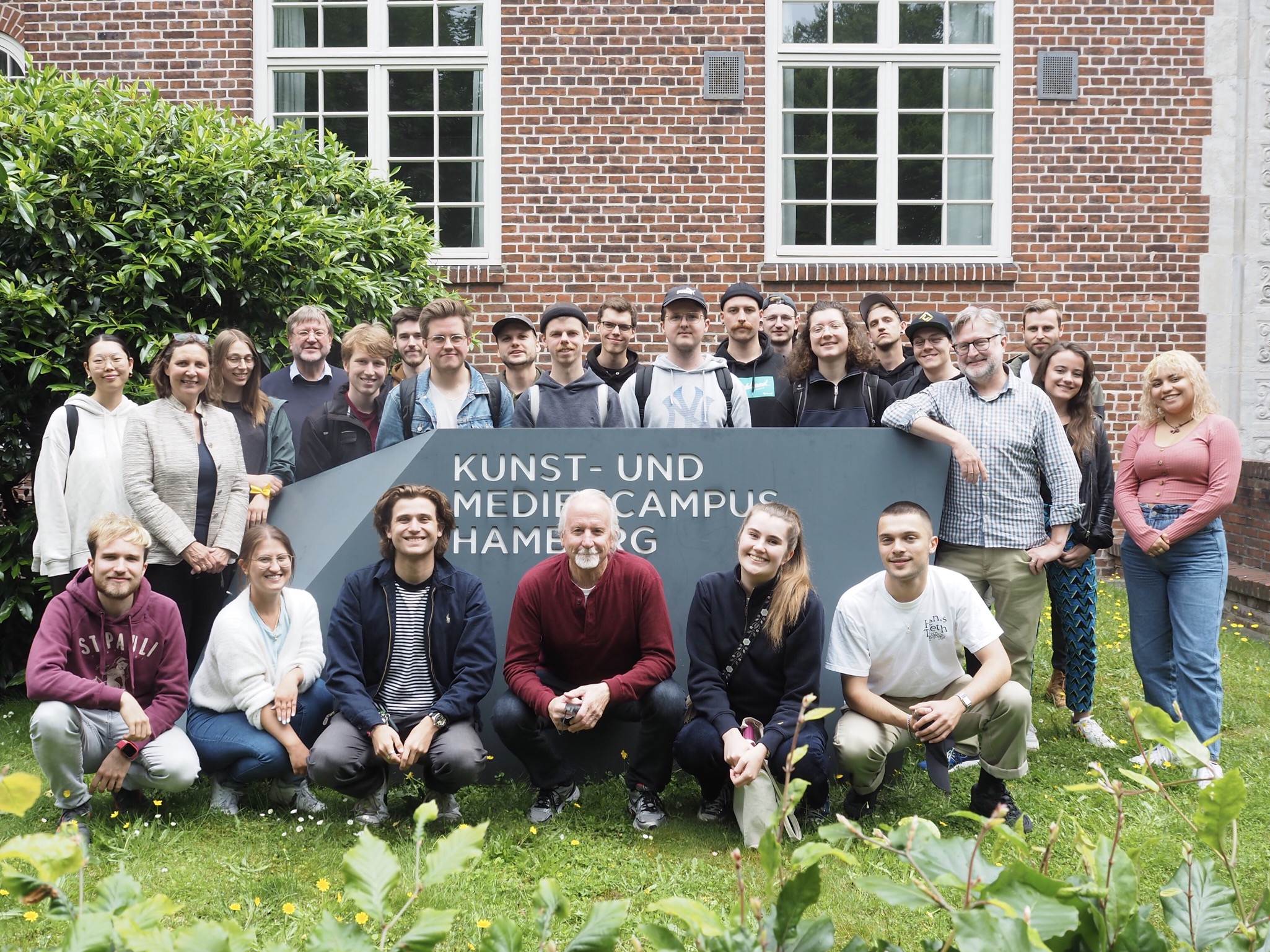
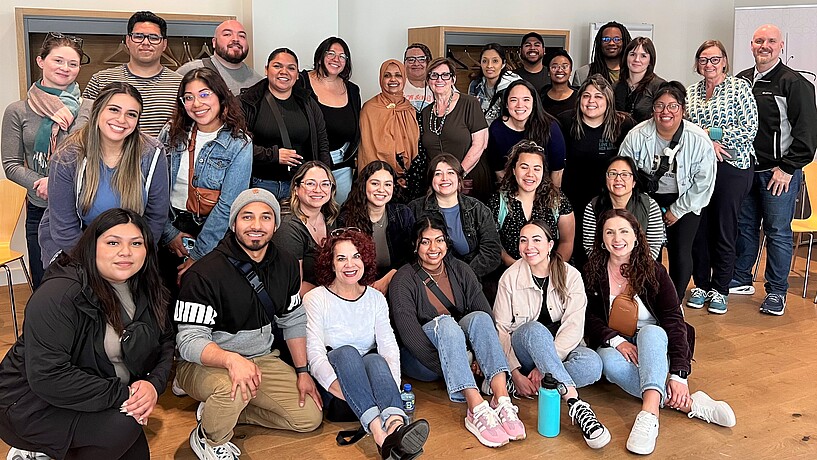
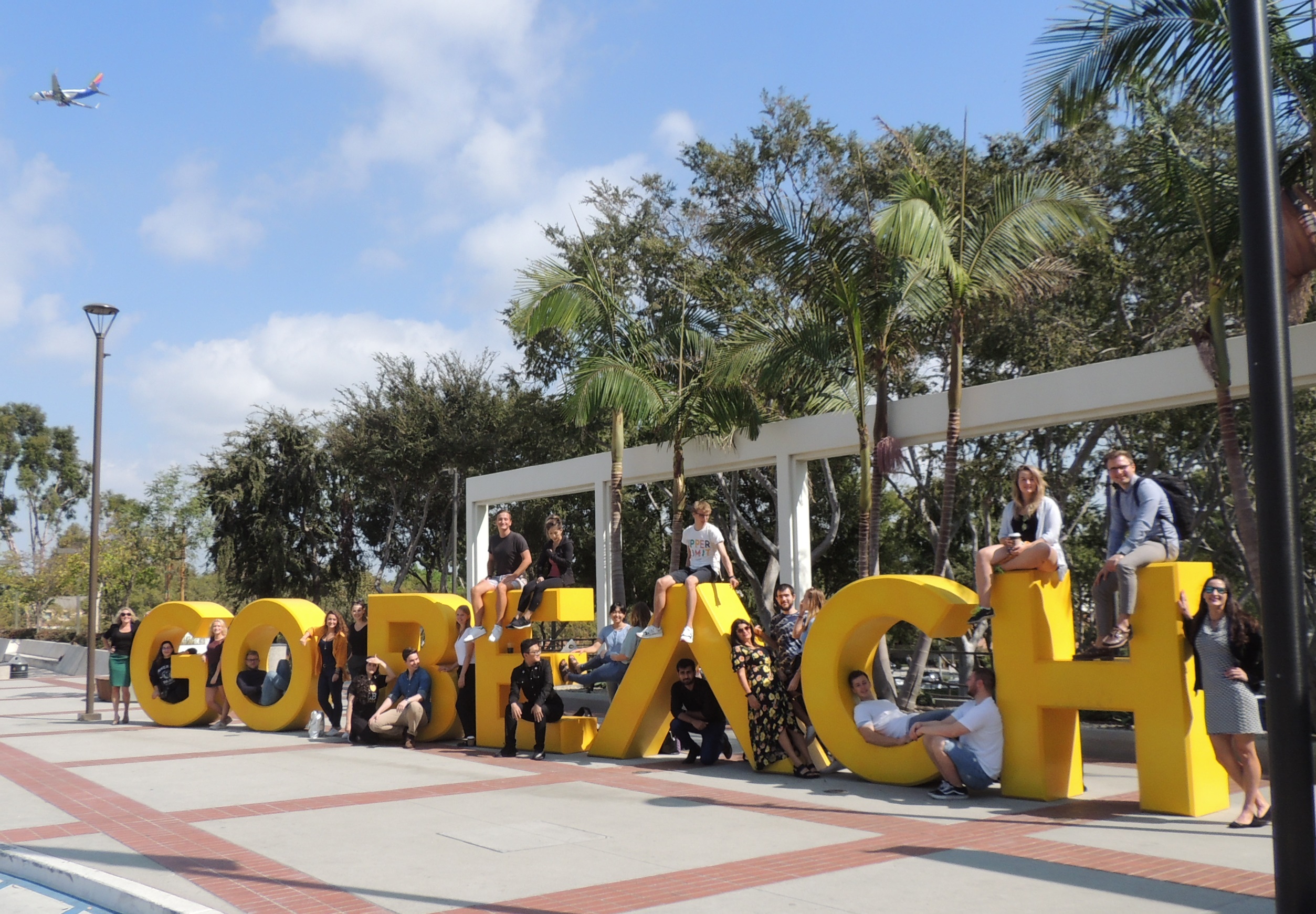
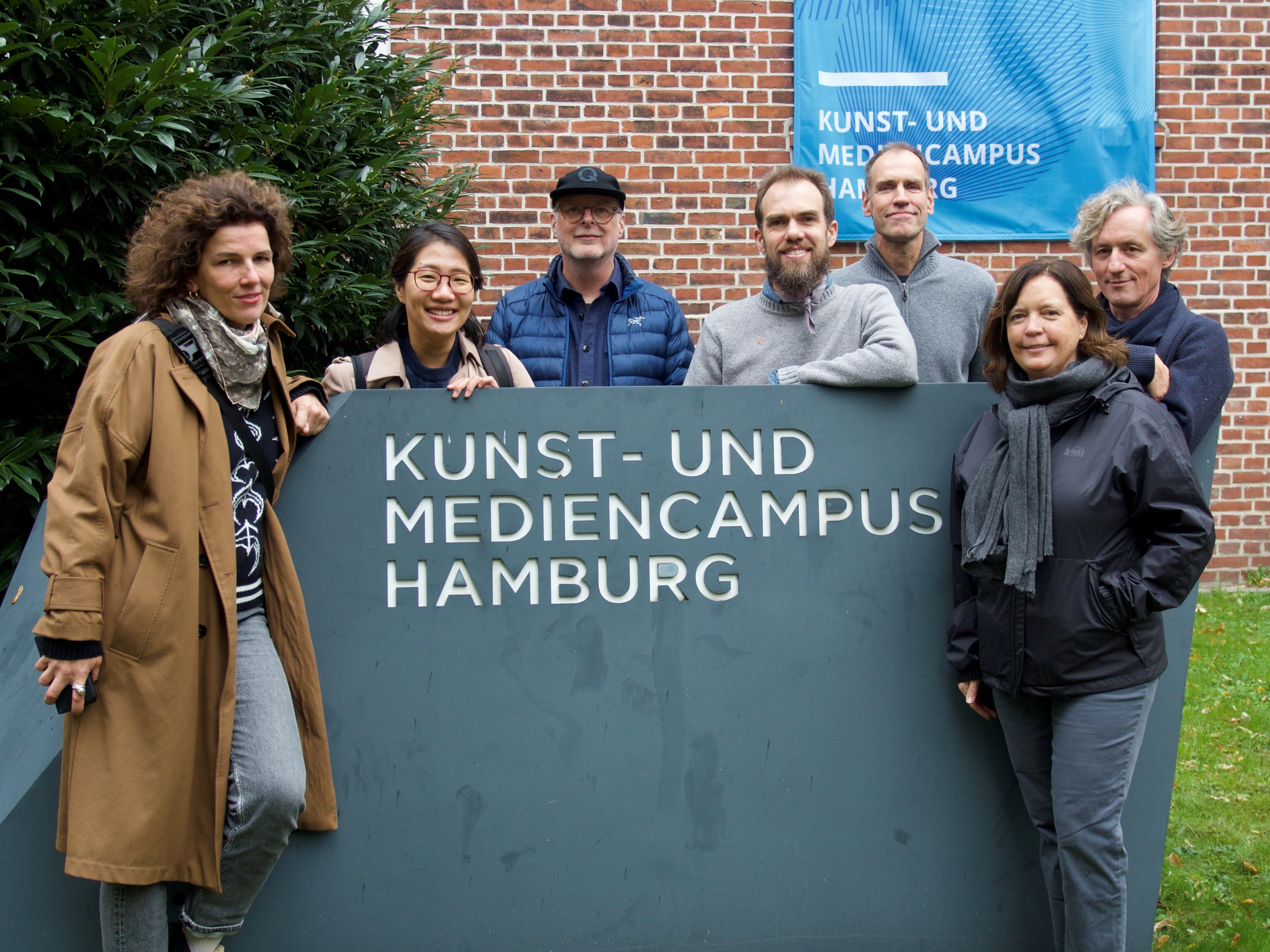
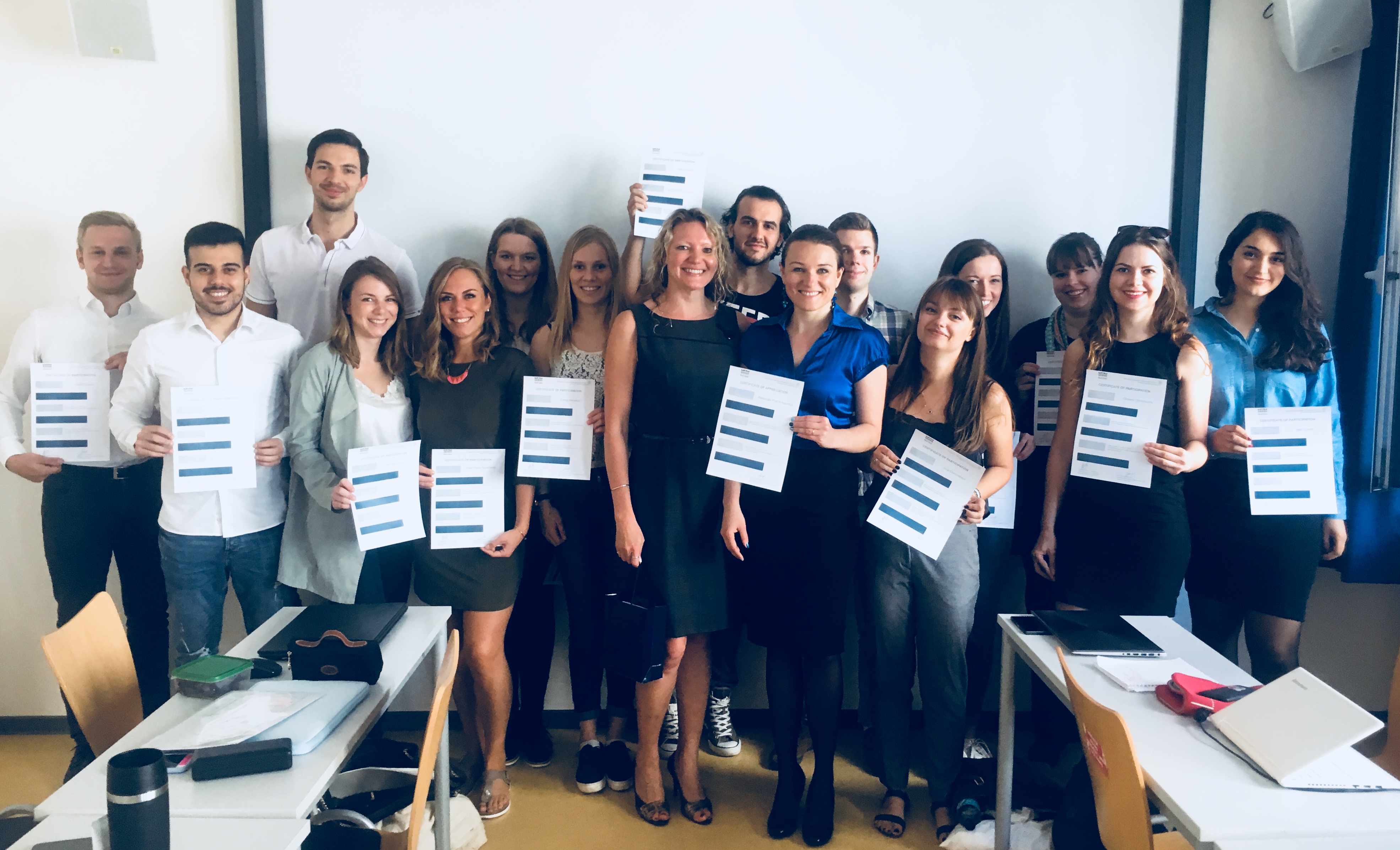
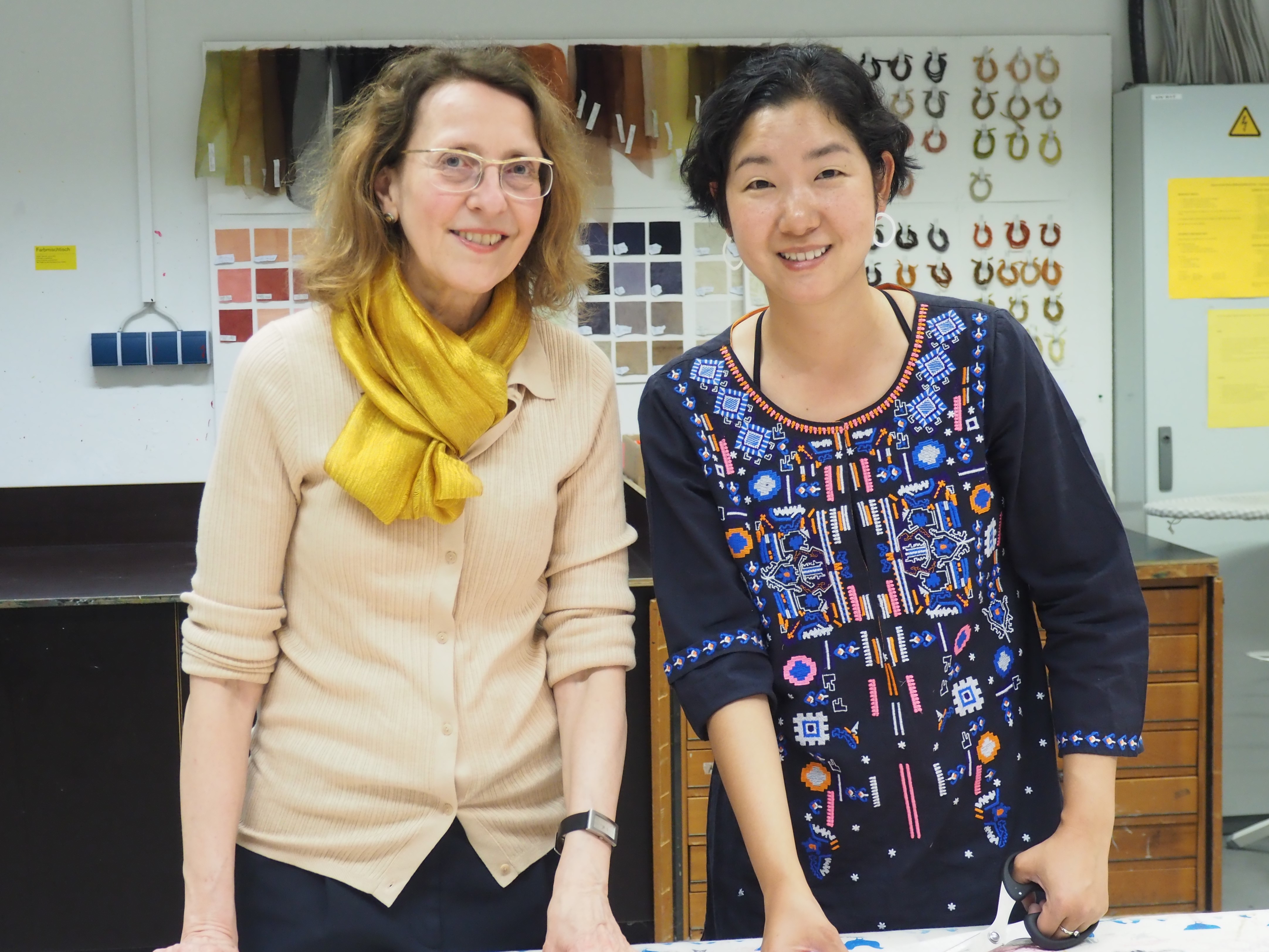
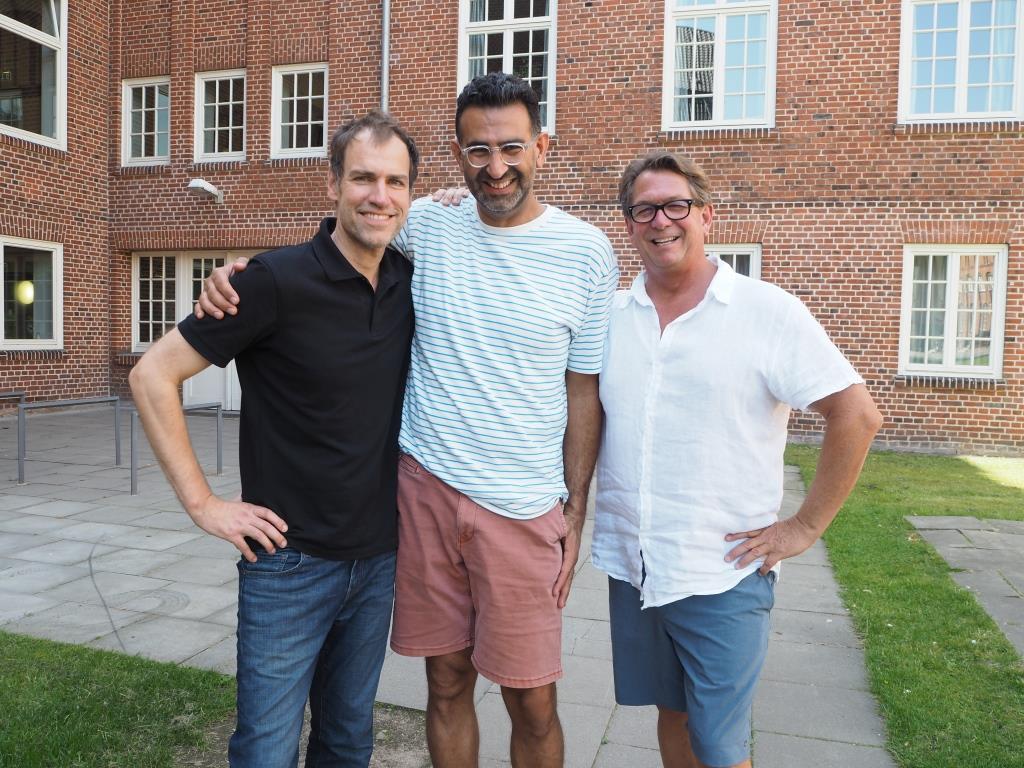
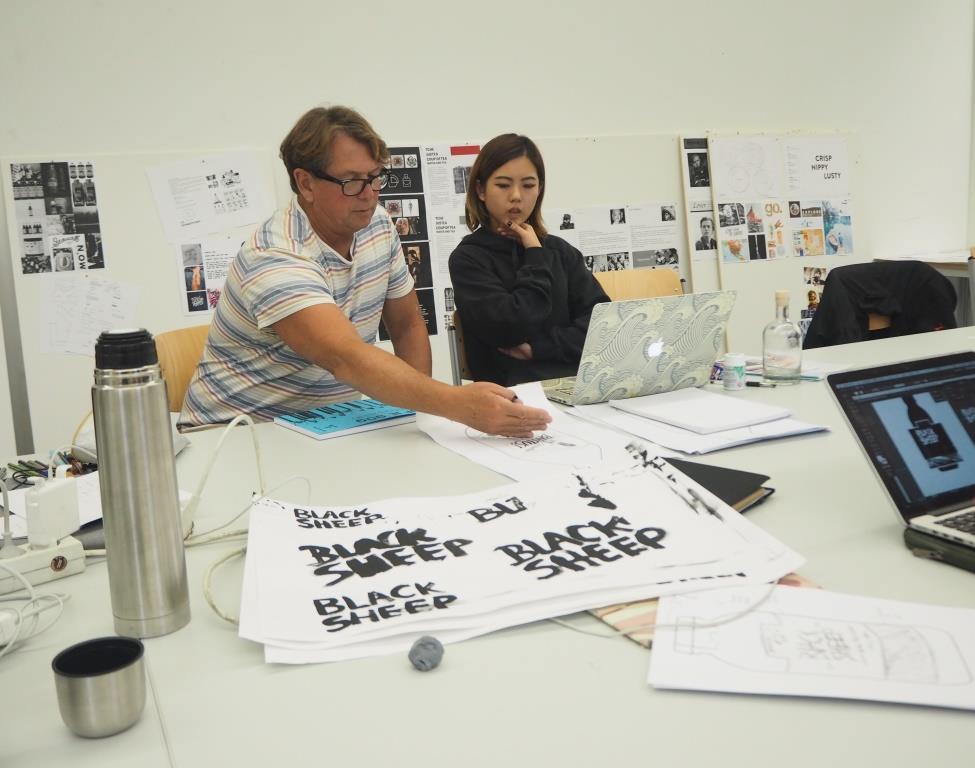
Teaching in California, where the most interesting television series and games in the world are created, was a great challenge—and also a special honor. The exchange with the students and teachers was very inspiring.
Are there highlights that you remember in particular?
Yes, there have been many highlights over the past twenty years. Above all, it is the programmes we have developed with US partners that are embedded in the partner's curriculum. In 2012, we introduced a dual degree programme in International Business with the University of Rhode Island. And for several years now, there have been “Junior Spring Semester Abroad” programmes in aeronautical engineering (Virginia Tech) and social work (CSULB), in which a semester in Hamburg is fully credited in the US. That was a lot of work, and these programmes are a sign of the great appreciation and trust placed in HAW Hamburg by our partners.
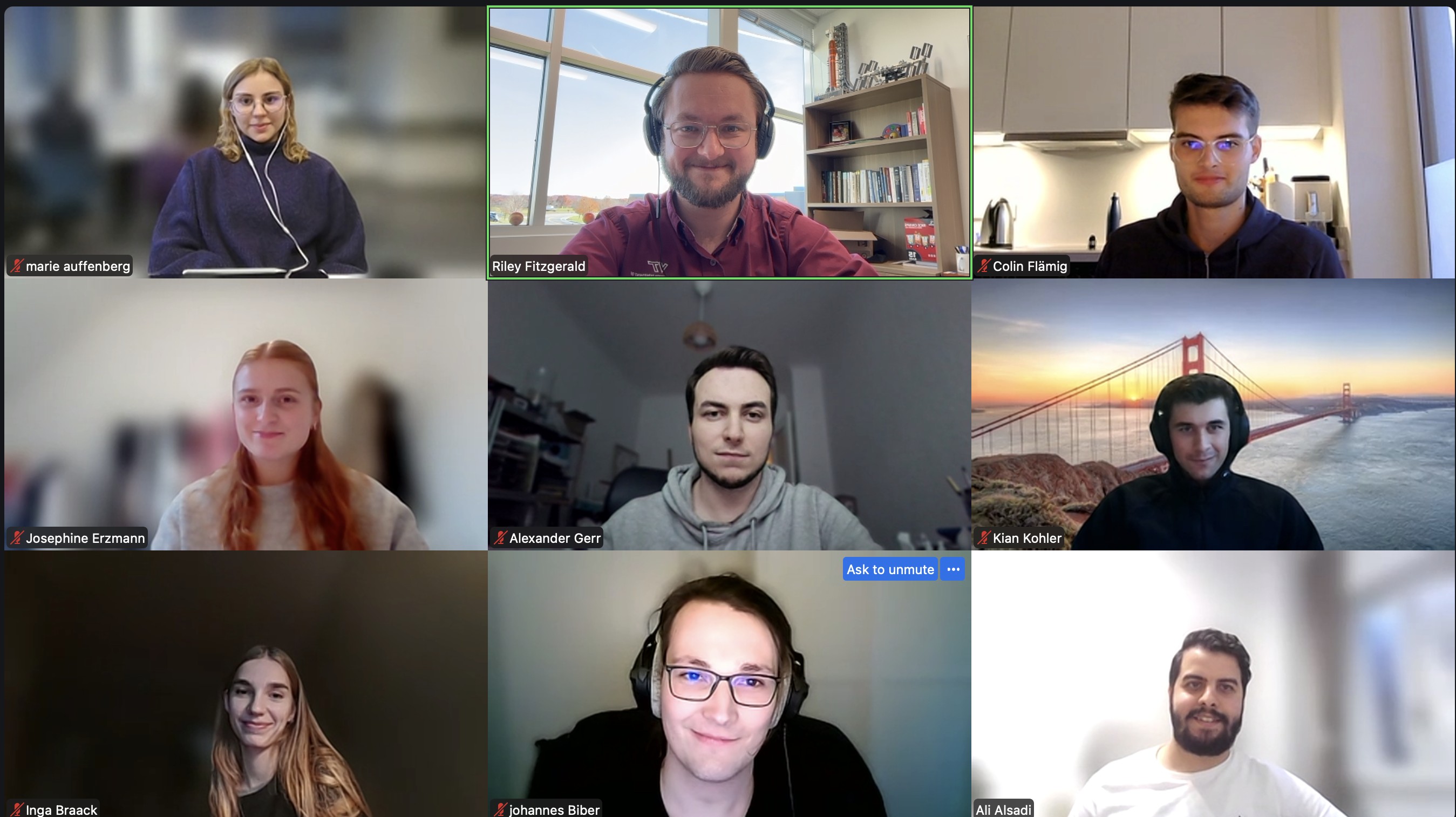
During the coronavirus pandemic, it was the online film workshops with CSULB that continued the collaboration and kept spirits high at a time when everything else came to a standstill. And the teaching format that emerged from this was the foundation for the latest highlight – an eight-week online module in astromechanics with Virginia Tech, which brought space expertise to the Faculty of Aviation and Vehicle Systems this winter semester.
Overall, it is always wonderful to hear students rave about their stay in the USA or Hamburg and talk about how much of a difference their semester abroad has made in their lives and how it has helped them grow. For me personally, it is also great to see how I have grown with the project, and I greatly appreciate the friendships that have developed with my US colleagues over the years.
Which role does UAS7 play in the US strategy at HAW Hamburg?
The USA project began with the founding of the UAS7 consortium and the opening of an office in New York. With the current managing director, Patrizia Nobbe, there is close contact with the DAAD in New York and the German Houses of Business and Innovation in New York and San Francisco. These collaborations, as well as her participation in education fairs and events, increase the visibility of universities of applied sciences in the US as competent partners in teaching and applied research and as a study option for US high school and bachelor's degree graduates. The latest figures from the IIE's “Open Doors Report 2025” show that between 2001 and 2023, the number of degree-seeking US students in Europe rose by a total of 113 percent to around 50,000. Over 8,000 of them are studying at a German university, accounting for two percent of all international students in Germany.
Sounds like a lot of people were involved to achieve this success.…
Yes, totally! They definitely need to be mentioned here. From the very beginning, it was and still is the HAW Hamburg lecturers who offer modules in English for exchange students. Without this foundation, there would be no student exchange with the USA. Then there are the professors on both sides of the Atlantic who bring the faculty exchange to life and expand international teaching with additional workshops and summer schools. In the university administration, the student exchange coordinators and the international office colleagues at the partner universities are the mainstay in supporting US exchange students and HAW Hamburg outgoings. And last but not least, I am very grateful to the staff in our finance and accounting department who manage the ISAP funds. I would like to thank everyone for their great cooperation and commitment over the last twenty years. This isn't something that I take for granted. Together, we have achieved something worth celebrating.
How is the current political situation in the US affecting cooperation agreements? Are fewer students coming from the US? And how interested are our students in studying in the US?
Demand for exchange semesters in the US remains high, even though students in some degree programmes are a bit more reluctant to go, as was the case during Donald Trump's last term in office. In 2025, 21 HAW Hamburg students studied in the US. They fought their way through despite the short-term suspension of visa appointments because they were determined to have this experience abroad. Twenty-nine US guest students are registered for the 2026 summer semester. This represents a 52 percent increase over the 2025 summer semester. They will make up 25 percent of all guest students. Currently, 33 places in the US are advertised for the 2026/27 winter semester.
Regular conversations with our US partners confirm that it is very important to them right now that we continue to work closely together. This year, twelve US professors from three strategic US partners were in Hamburg to conduct workshops and summer schools. The fourth strategic partner offered an eight-week online module in astromechanics during the winter semester. This underscores the commitment of our partners and gives us confidence that we will continue to grow together on this strong foundation.
Thank you very much for your time, Ingrid!
Interview: Maren Borgerding
Fast Facts "HAW goes USA":
12 US university partners
Member of Global E3 network with an additional 28 US partners
Student exchange since 2006:
- 447 US exchange students in Hamburg
- 437 HAW Hamburg students in the US (total value: 4,3 Mio USD)
- 406 HAW Hamburg students in short programmes with CSULB
Faculty exchange:
- Network of 38 faculty members in Hamburg und in the USA
ISAP grants from German Academic Exchange Service (DAAD):
Total value: 855.000 Euro
- URI-International Business (2012-2017) – Natalia Ribberink
- CSULB-Film (2017-2025) – Wolfgang Willaschek, Marco Grimm
- Virginia Tech-Aeronautical Engineering (2018-2026)* – Jutta Abulawi
- CSULB-International Business (2021-2023 & 2024-2026)* – Natalia Ribberink
- MICA-Design (2024-2026)* – Sven Vogel
* applications for grant extensions
"HAW goes USA" strategy
Contact
Maren Borgerding
University communication
Ingrid Weatherall
"HAW goes USA" strategy
International Office